For those who wish to understand a little more about meshtastic, I went around, and gatherd information, formatted it, then presented it for you
Meshtastic is an open-source project that leverages LoRa, a long-range radio protocol that is widely available in most regions and does not require additional licenses or certifications, unlike HAM radio. Utilizing inexpensive LoRa radios, Meshtastic provides a FREE, long-range, off-grid communication solution for areas without reliable or existing communication infrastructure.
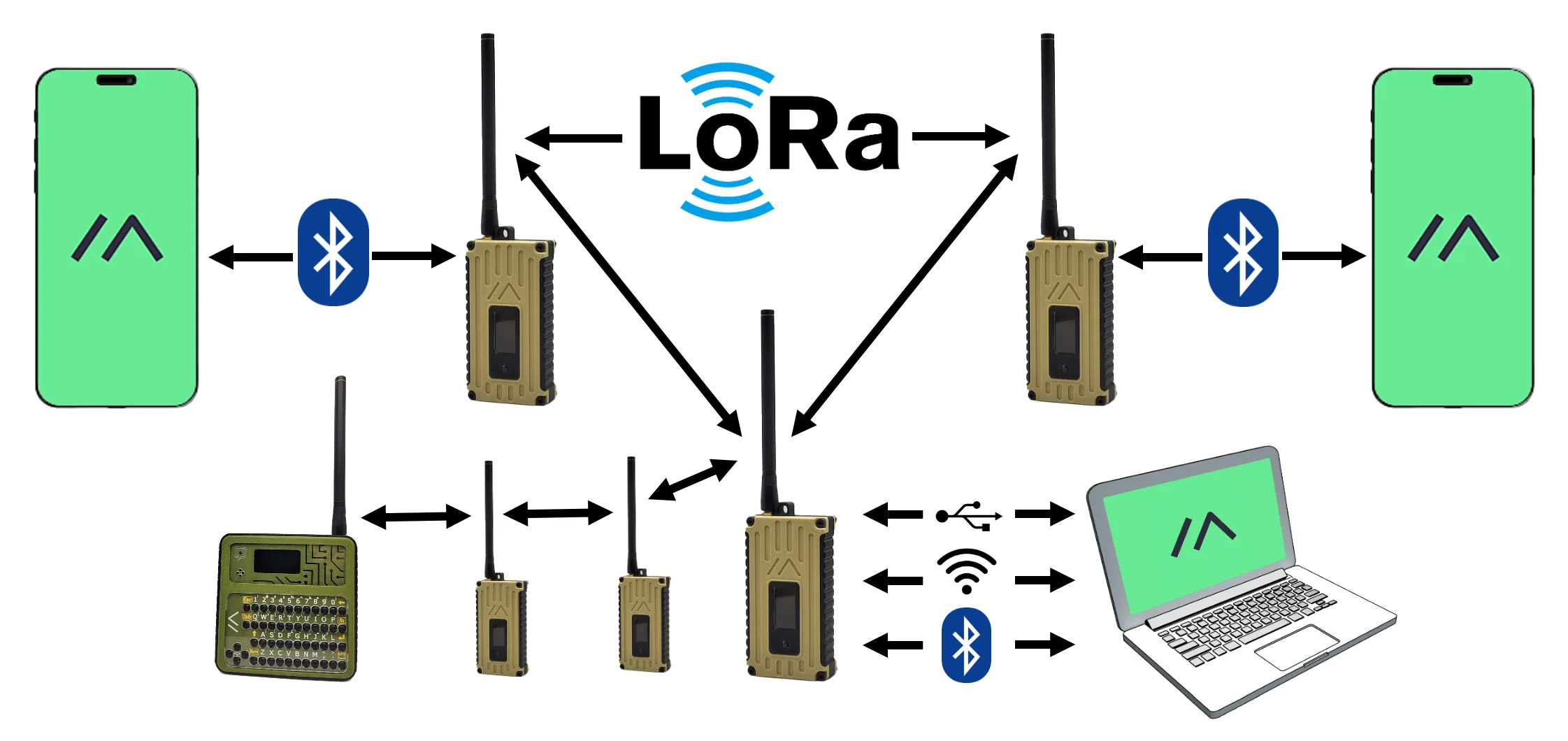
In a simpler way, Meshtastic is a free and easy-to-use tool that lets you send messages without internet or mobile networks. It connects small, specialized devices to create a network where you can communicate over long distances, making it perfect for outdoor adventures, emergencies, or communication in remote areas. You can share short text messages, GPS locations, and even voice messages (coming soon) with others. It’s easy to set up, works on various devices, and has a supportive community if you need help.
What Can Meshtastic Do?
In today’s tech-focused world, it’s hard to picture a day without a steady network connection. But if you’ve ever gone hiking in a remote area and lost signal, or attended a big event where the network was too crowded to use, you know the struggle. During natural disasters like typhoons or floods, communication networks might fail, making it tough to call for help or connect with loved ones. I hope you don’t face these challenges, but it’s worth thinking about potential solutions if you do. What would you want to have in place? This is where Meshtastic comes into play, offering a potential Plan A for those rare yet crucial instances: an emergency response solution.
Why Meshtastic?
There are also many other options, such as the more well-known LoRa-based solutions like LoRaWAN® and Sidewalk, or the commonly used 4G/5G, and even Starlink developed by SpaceX. So, why Meshtastic?
Differences Between LoRaWAN®, Sidewalk, and Meshtastic
As shown below, I have listed the biggest differences between the three. Meshtastic is decentralized and doesn’t require gateways, making it better suited for flexible, independent, peer-to-peer communication scenarios, while LoRaWAN®is ideal for large-scale, centrally managed IoT applications. Amazon Sidewalk, is designed to extend the connectivity range of smart home devices using low-power, community-based networking.
Differences Between 4G/5G and Meshtastic
Most of us rely on 4G/5G networks in our daily lives, so how does Meshtastic compare to them? The main differences are outlined below. Simply put, Meshtastic is ideal for situations where there is no cellular signal, no infrastructure, or limited power availability, such as outdoor activities, survival scenarios, or rescue operations. On the other hand, cellular network coverage is primarily concentrated in areas with high levels of human activity, such as cities and urban regions.
Differences Between Starlink and Meshtastic
Starlink and Meshtastic are two different communication solutions, each with its own strengths. Starlink is ideal for those who need constant online connectivity and high-speed internet access, even in remote areas. However, if you need a more affordable, portable solution for offline communication, especially when power and infrastructure are limited, Meshtastic is the better choice. Last but not least, Meshtastic is free to use—once you purchase a compatible device, you can start enjoying the free mesh network with your friends!
Meshtastic Limitations
Text messages only at the moment: Meshtastic uses LoRa, which focuses on long-range and low power. This limits bandwidth, so it can only send text—no images, videos, or large files. Short messages: You can only send messages with 228 characters or fewer due to LoRa’s packet size limit, which isn’t enough for detailed or complex information.
For those new to Meshtastic, a common question is how to select the right product from the wide range of Meshtastic-compatible options, which include everything from development boards to ready-to-use devices. In the following, I will share some of the most popular Meshtastic devices with you.
Search and Rescue
When disasters strike and signal or power infrastructure fails, Meshtastic can be a vital tool for emergency response, supporting search and rescue operations. A Meshtastic tracker, capable of precisely identifying the location of those in distress and maintaining communication with them, is an excellent choice for equipping rescue teams or ensuring everyday emergency preparedness.



 Reload document
  Open in new tab